



Weekly News 12.6.26
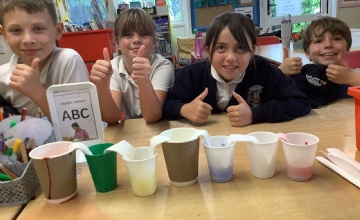
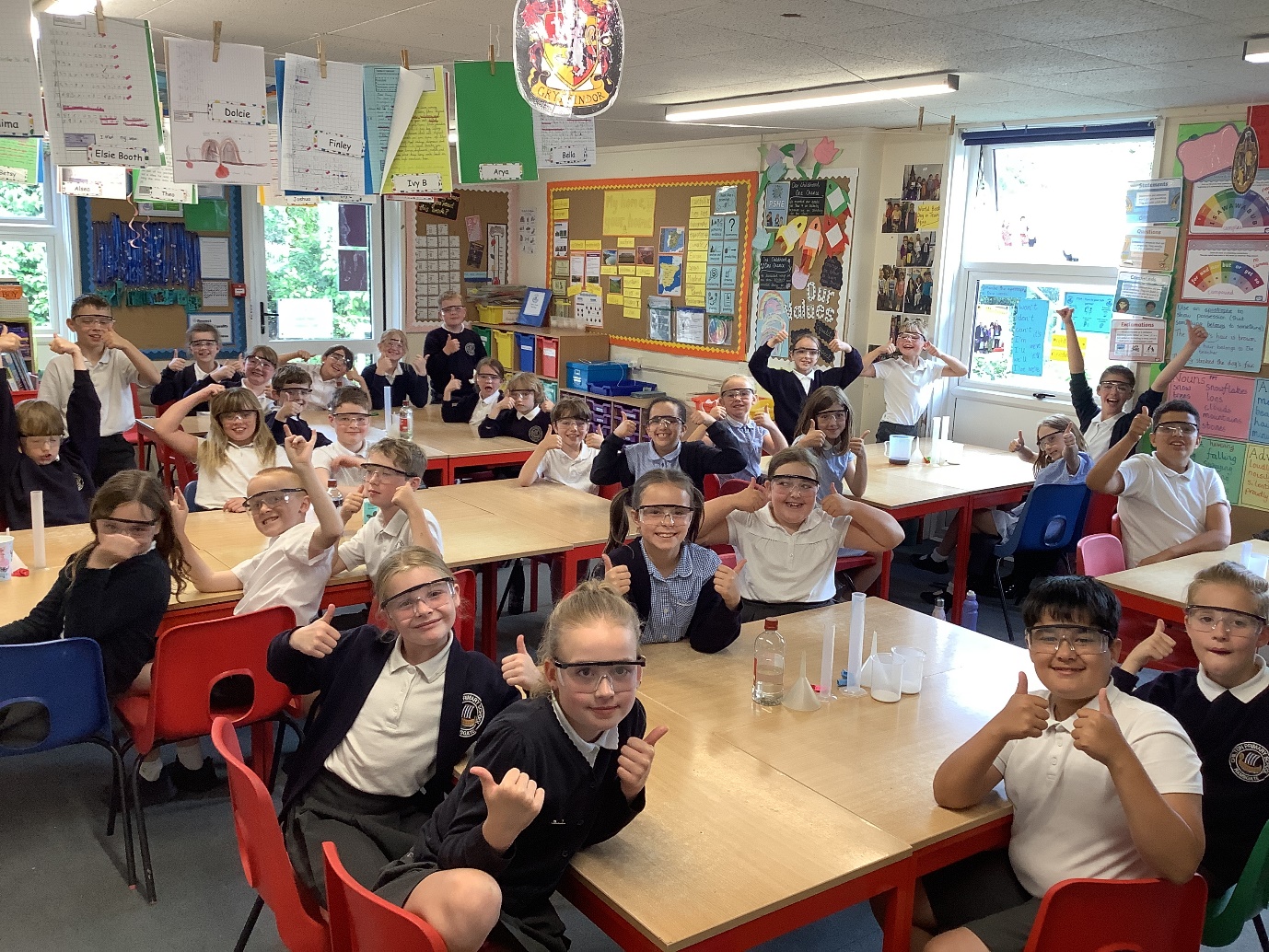
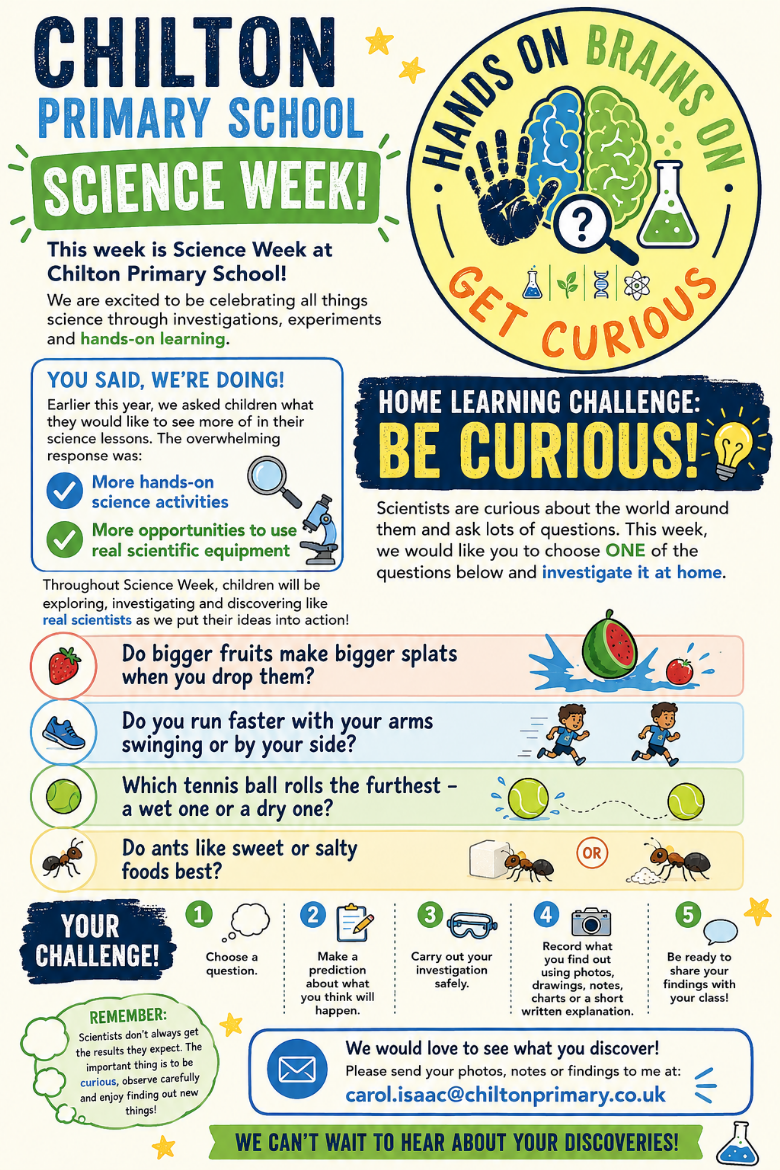
We’ve had an incredible science week in Year 4! The children absolutely loved the ‘hands on, brains on, get curious’ science week and really enjoyed the science experiments that we conducted. More about that below. Here is what we have been up to this week…
Maths
In maths this week, we have been learning to multiply. Some of us continued to practice the grid method to multiply a 2-digit number by a 2-digit number. See below.
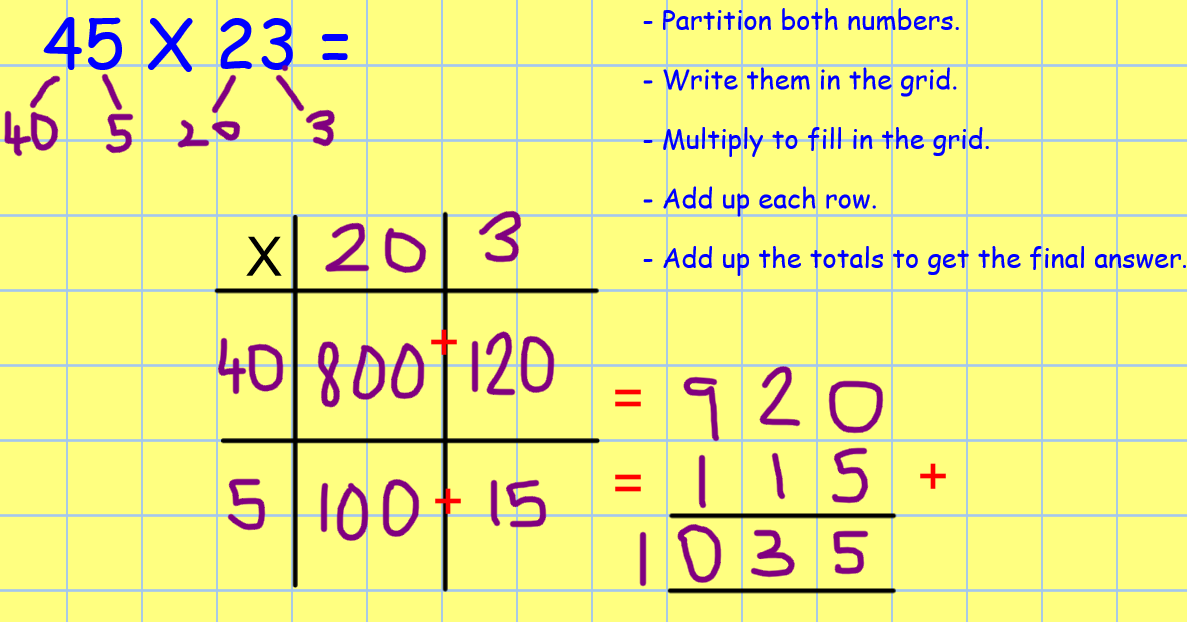
When the children were ready, they moved on to learn how to multiply a 2-digit number by a 2-digit number using long multiplication. This is a challenging method to learn to start with, but after lots of practice and hard work, they were doing brilliantly with it by the end of the week. We also used the method that we had been learning to multiply that week to solve 2-step word problems,
Next week we will be learning about time. We will be learning to calculate durations of time and solve problems involving converting units of time.
English
In English this week we have continued reading our new text called ‘I was a Rat’ by Phillip Pullman and our writing unit narratives with dialogue. We practised using complex and compound sentences in our story writing, and using fronted adverbials to start our sentences. The children are becoming quite skilled with these now, and their writing is varied and interesting to read.
Next week we will be learning about newspaper reports.
Thematic
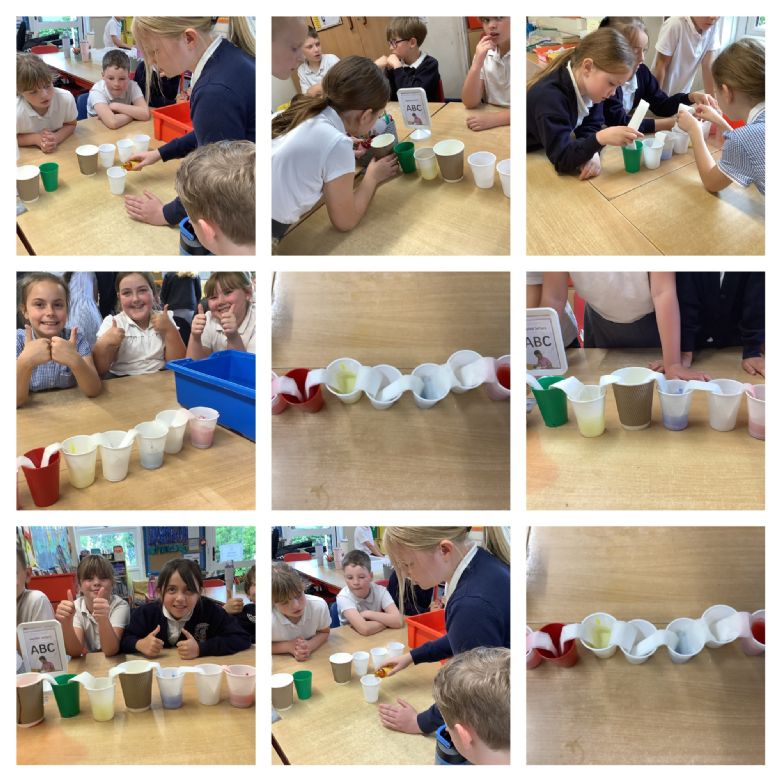
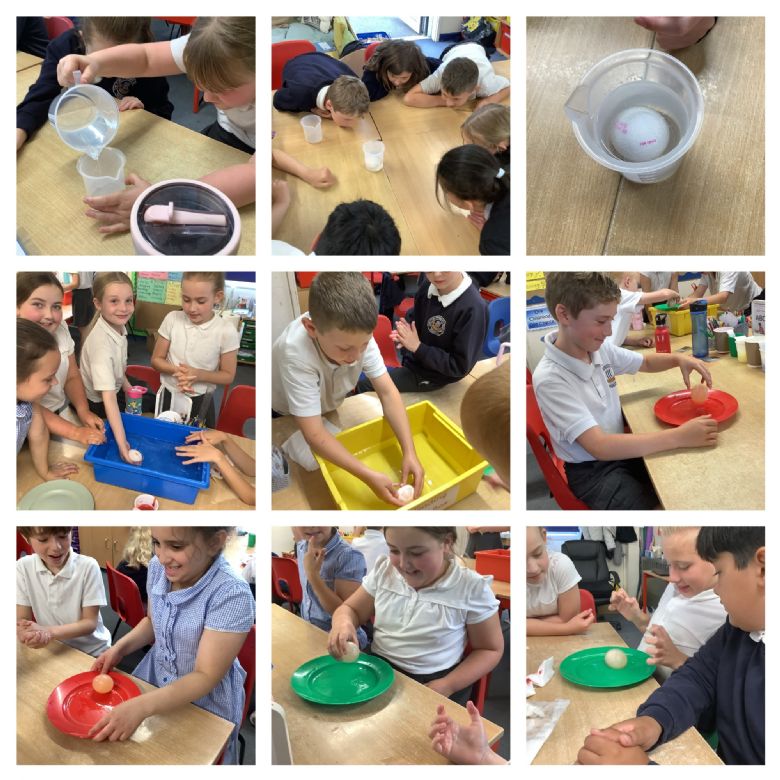
This week was SCIENCE WEEK! The theme was ‘Hands on, brains on, get curious’ and we had such a great week! The children took part in 3 investigations. In our first investigation, we wanted to find out what would happen if we soaked an egg in vinegar. We left the egg in the vinegar for 3 days and by Thursday, the shell had dissolved enough that we could rub it off, and we were left with bouncy eggs!! See pictures below.
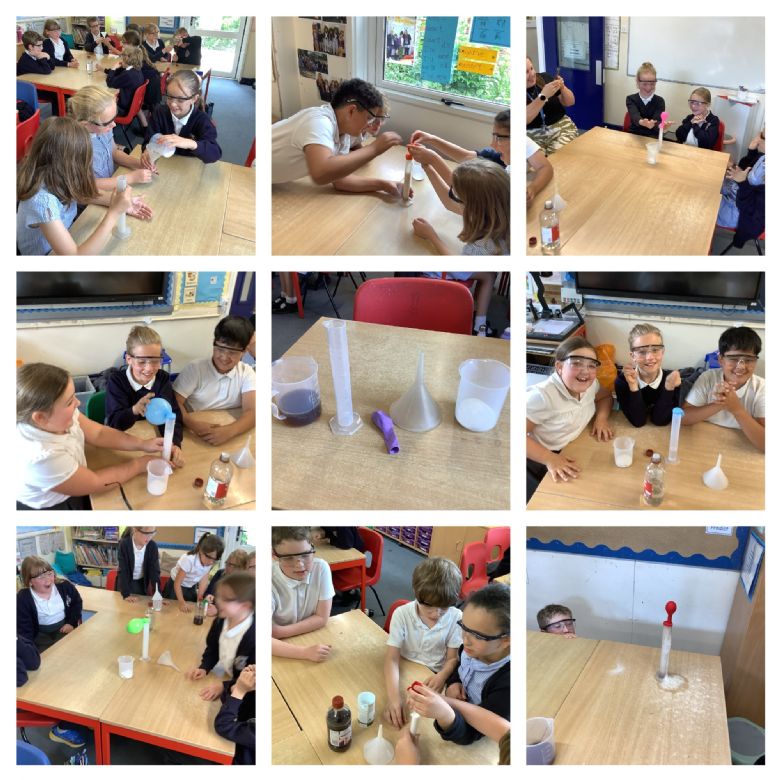
Our second experiment caused much excitement! We put some vinegar in a measuring cylinder. We used a funnel to put some bicarbonate of soda into a balloon. We then carefully attached the balloon to the top of the cylinder, making sure we kept the balloon flopped over with the bicarb in. We then tipped the bicarbonate of soda into the cylinder and a chemical reaction occurred, releasing carbon dioxide gas that blew up the balloon! Many shrieks of amazement and excitement were heard! See pics below.